


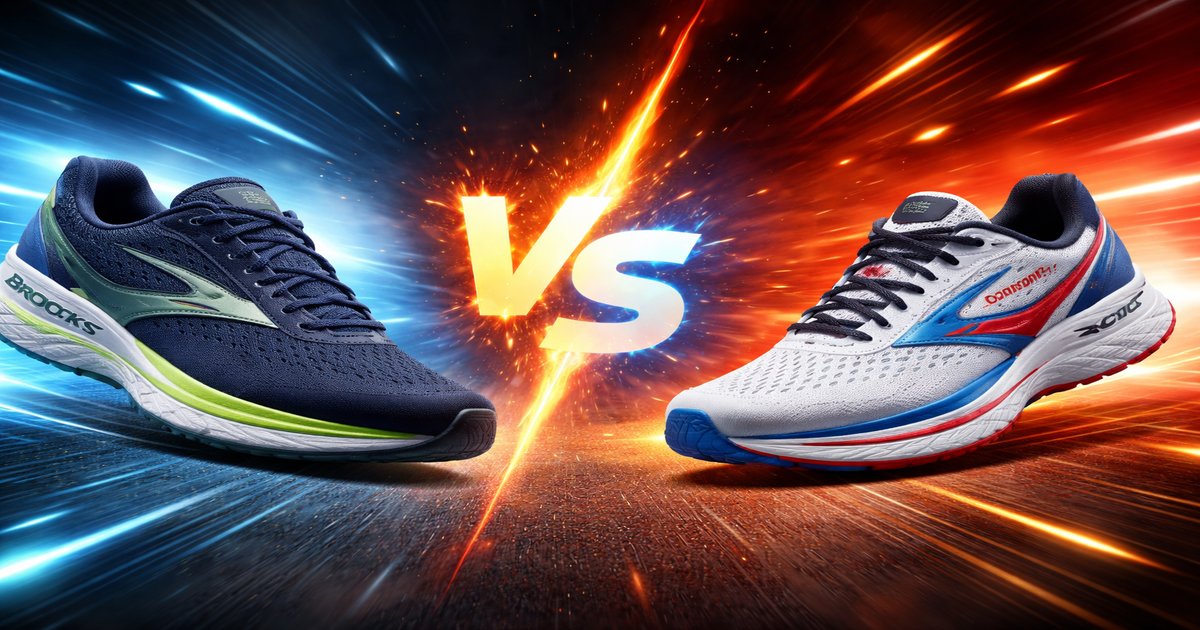
You’ve been pounding the pavement for miles, and now your trusty old running shoes are begging for retirement. Whether you’re a seasoned marathoner or a weekend warrior, choosing between Brooks and Saucony can be as challenging as the last mile of a 10K. Both brands are giants in the running shoe world, but which one should earn a spot on your shoe rack?
| Feature | Brooks | Saucony |
|---|---|---|
| Weight (Men’s Size 9) | 10.4 oz (Brooks Ghost) | 9.3 oz (Saucony Ride) |
| Cushioning | High Cushion | Moderate to High Cushion |
| Durability | ✓ | ✓ |
| Heel-to-Toe Drop | 12mm | 8mm |
| Arch Support | Medium to High | Medium |
| Price Range | $130 – $160 | $120 – $150 |
✅ brooks Pros
- Exceptional cushioning for long-distance comfort.
- Robust durability that withstands heavy mileage.
- Excellent arch support for those with medium to high arches.
❌ brooks Cons
- Heavier than some competitors, affecting speed.
- Higher price point.
- Limited color options in some models.
✅ saucony Pros
- Lighter weight, enhancing speed and agility.
- More affordable options available.
- Lower heel-to-toe drop for a more natural stride.
❌ saucony Cons
- Cushioning may be insufficient for those needing extra support.
- Moderate durability compared to Brooks.
Performance
When it comes to performance, Brooks shoes are the workhorses that offer a plush ride, making them ideal for long-distance runners who prioritize comfort over speed. The high cushioning absorbs impact, reducing fatigue during long runs. On the other hand, Saucony’s lighter design and lower drop encourage a faster pace and more natural foot strike, which can be a game-changer in shorter races or speed training. If you’re chasing a personal best in a 5K, Saucony might give you that edge.
Build Quality
Brooks’ reputation for durability is well deserved. Their shoes can take a beating, making them a reliable choice for runners logging high mileage. The materials and build quality ensure these shoes will last, even with regular use. Saucony, while still durable, tends to show wear slightly sooner. However, their innovative designs and breathable materials keep them competitive, particularly for those who value cutting-edge design and a lighter feel.
Value
Brooks shoes come with a higher price tag, but you’re paying for longevity and superior cushioning. If you’re an avid runner who racks up the miles, that investment pays off in the long run. Saucony offers a more wallet-friendly option without significantly compromising quality. Their price point is attractive for newer runners or those experimenting with different styles. Both brands deliver solid value, but where you find it depends on your running needs and budget.
Brooks shoes can feel a bit clunky if you’re used to lighter models, and they might not be the best for track work. Saucony’s reduced cushioning can lead to discomfort on rougher terrains or longer runs if you need extra support. Both brands have their quirks, but being aware of these can help you avoid buyer’s remorse.
Our Final Verdict: Which One Should You Buy?
For long-distance runners or those who need that extra cushioning and durability, Brooks is your go-to. It’s the best choice if you’re marathon training or have specific support needs. However, if you’re looking for lightweight shoes for speed work or racing, Saucony is your perfect match. Their affordability and agility make them ideal for competitive runners or those who favor a more natural running experience.
How do Brooks and Saucony fit?
Brooks generally runs true to size with a snug fit, ideal for medium to high arches