


You’re ready to take your fitness tracking to the next level, but the options are overwhelming. Whoop and Fitbit are two heavyweights in the fitness tracking world, but which one aligns with your lifestyle? Let’s cut through the noise and see which one deserves a spot on your wrist.
| Feature | Whoop 4.0 | Fitbit Charge 5 |
|---|---|---|
| Subscription Required | ✓ (Monthly) | ✗ |
| Battery Life | 5 Days | 7 Days |
| Heart Rate Monitoring | ✓ | ✓ |
| Sleep Tracking | ✓ | ✓ |
| Built-in GPS | ✗ | ✓ |
| Water Resistance | 10 ATM | 5 ATM |
| Price Range | $30/month | $179.95 |
✅ whoop Pros
- Holistic recovery insights tailored for athletes.
- Advanced sleep tracking with in-depth analytics.
- 10 ATM water resistance is great for swimmers.
❌ whoop Cons
- Subscription model adds up over time.
- No display; all data is accessed via app.
- No built-in GPS for activity tracking.
✅ fitbit Pros
- Built-in GPS for accurate outdoor tracking.
- Comprehensive health metrics without a subscription.
- Affordable one-time purchase.
❌ fitbit Cons
- Sleep tracking is good but not as detailed as Whoop’s.
- Lower water resistance compared to Whoop.
Performance: Tracking Accuracy and Insights
Whoop is all about the deep dive into your body’s performance and recovery. It shines in providing insights that go beyond simple step counting, focusing on how well your body bounces back from workouts. But remember, this comes at a cost—literally. Fitbit, on the other hand, offers a straightforward approach with built-in GPS to track your runs or hikes without needing your phone. It gives you a broad view of your daily activity and some insightful metrics without the deep analytics or the price tag of Whoop.
Build Quality: Durability for Daily Wear
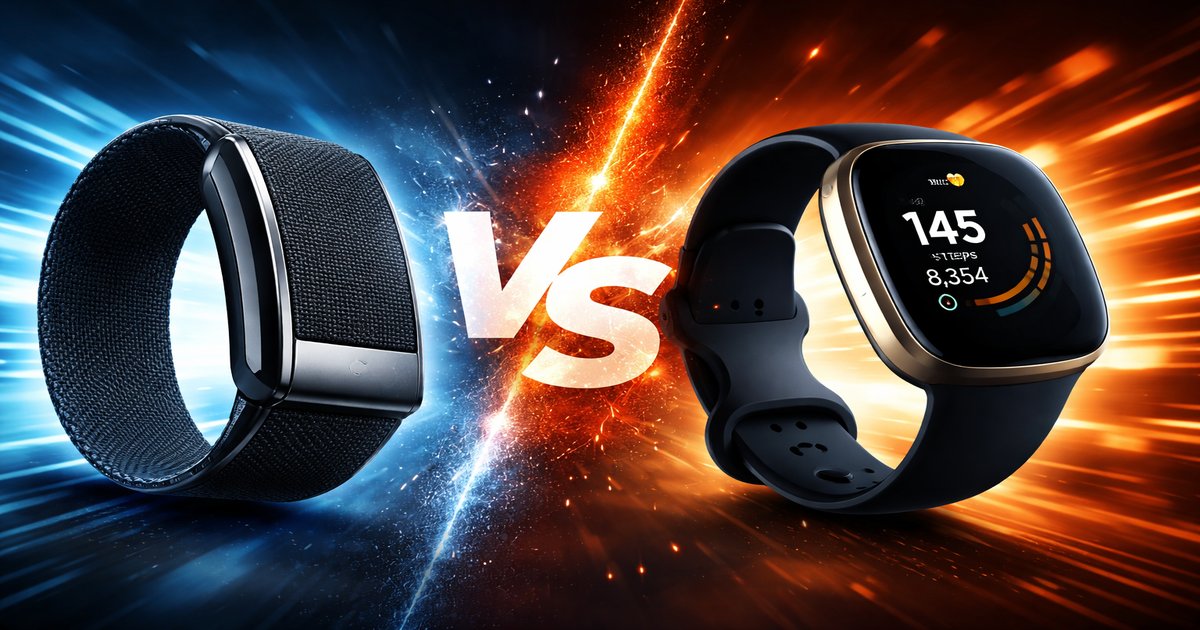
Whoop’s minimalist design lacks a screen but feels solid, and with a 10 ATM water resistance, it’s the better pick for swimmers or those who need extra durability. Fitbit’s Charge 5, sporting a vibrant color display, looks sleek and offers a robust design suitable for everyday use, but its 5 ATM rating means it’s not as resistant to water as Whoop. If you’re rough on your gear or spend a lot of time in the water, Whoop’s ruggedness can’t be beat.
Value: Cost vs. Features
You’re shelling out $30 monthly for Whoop’s extensive data, which is a hard pill to swallow if you’re not fully committed to using every feature. Fitbit offers a more traditional purchase model—pay once and you’re set, with optional premium features you can choose to add later. For budget-conscious users, Fitbit wins hands down unless you’re chasing that pro-level data Whoop provides.
Whoop’s constant subscription can become a financial burden if you’re not using it to its full potential. Also, its lack of a screen might not appeal to everyone. Fitbit’s comprehensive tracking is fantastic for casual users, but if you’re someone who wants detailed recovery metrics, you’ll find it lacking.
Our Final Verdict: Which One Should You Buy?
If you’re an athlete or a data nerd who thrives on detailed analytics and doesn’t mind paying a premium, Whoop is your match. But if you want a solid, all-around fitness tracker that covers the basics without tying you into a subscription, Fitbit Charge 5 is a smarter choice.