


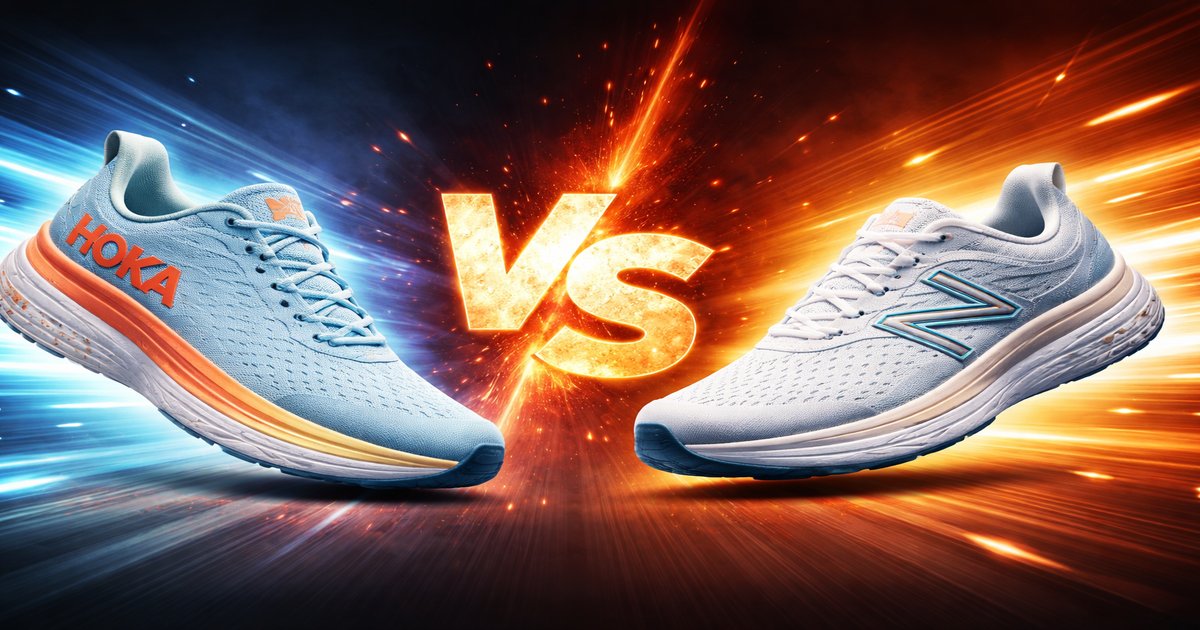
You’re staring at a wall of running shoes, and the choice between Hoka and New Balance is giving you a headache. You want something that won’t just look good on the treadmill but can handle real-world challenges like uneven terrain and long distances without wrecking your feet.
| Feature | Hoka | New Balance |
|---|---|---|
| Cushioning | High | Moderate |
| Weight | 8.4 oz (Men’s size 9) | 9.5 oz (Men’s size 9) |
| Arch Support | ✓ | ✓ |
| Breathability | Good | Excellent |
| Durability | Moderate | High |
| Price Range | $130-$180 | $100-$160 |
✅ Hoka Pros
- Unmatched cushioning for long-distance comfort.
- Lightweight design helps reduce fatigue during runs.
- Great for recovery runs due to its soft sole.
❌ Hoka Cons
- Higher price tag than some competitors.
- Durability can be an issue on rough terrains.
✅ New Balance Pros
- Excellent breathability keeps feet cool.
- High durability makes it a great long-term investment.
- More affordable pricing options.
❌ New Balance Cons
- On the heavier side, which might affect speed.
- Cushioning isn’t as plush as Hoka.
Performance
Hoka shoes shine when it comes to cushioning. If you’re pounding the pavement or tackling long distance runs, the plush sole absorbs impact to keep your joints happy. However, New Balance offers a more balanced approach, providing solid cushioning without sacrificing stability. They’re your go-to for varied workouts, offering a steadier feel for cross-training or shorter, faster runs.
Build Quality
New Balance takes the lead in durability. If you’re someone who clocks up serious mileage or hits rugged trails, New Balance’s construction holds up better over time. Hoka’s lightweight build is fantastic for running efficiency but doesn’t always weather the abuse of tough terrains, which might lead to faster wear and tear.
Value
Hoka’s price reflects its specialization in comfort and recovery, making it a good pick if you’re serious about your running regimen. New Balance, on the other hand, offers a broader range of prices, making it accessible if you’re budget-conscious. Plus, the durability factor means you might not need to replace them as often.
Hoka’s cloud-like cushioning can be a bit of a double-edged sword—too soft for some, especially if you’re used to firmer rides. Meanwhile, New Balance might feel a bit clunky if you’re not accustomed to their weight, particularly during speed workouts.
Our Final Verdict: Which One Should You Buy?
If you’re an avid runner who prioritizes comfort and doesn’t mind paying a premium for it, Hoka is your best bet. It’s ideal for those long runs and recovery days. However, if you’re looking for a more versatile shoe that offers durability and value for various activities, New Balance is the way to go. It’s perfect for someone who wants a reliable shoe without breaking the bank.
Are Hoka shoes true to size?
Hoka shoes generally run true to size, but if you have wide feet, consider trying a half size up for a more comfortable fit.
How long do New Balance shoes typically last?
With their high durability, New Balance shoes can last anywhere from 300 to 500 miles, depending on usage and terrain.
Is Hoka suitable for trail running?
While Hoka offers trail-specific models, their standard road shoes might not hold up as well on rugged trails compared to New Balance.