


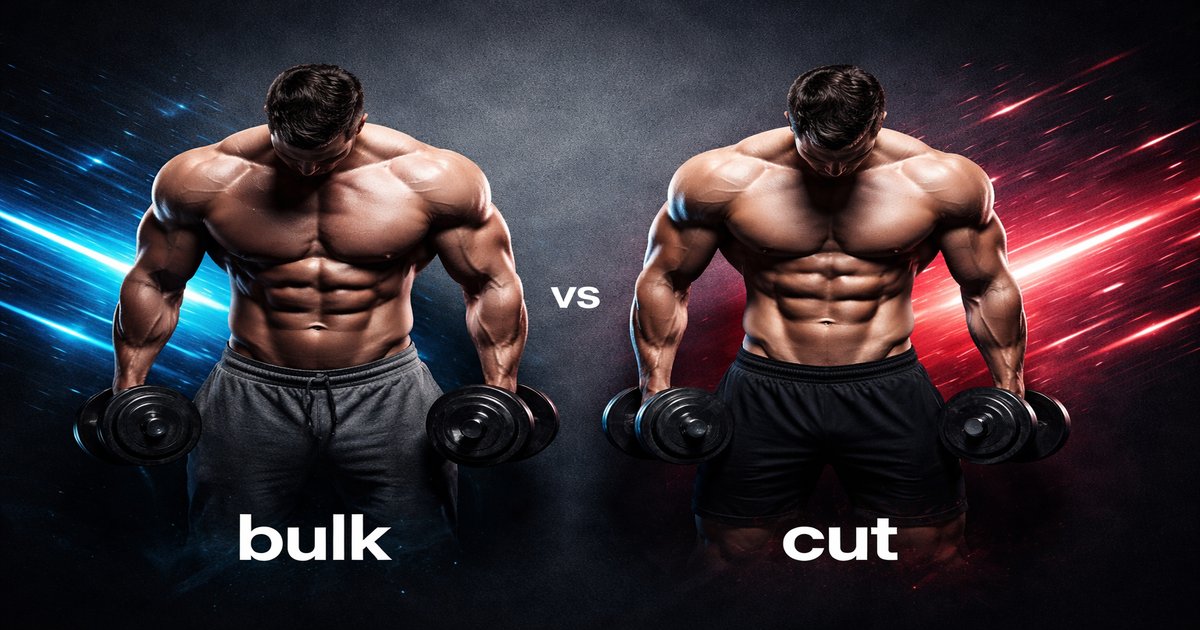
You’re at the gym, staring at your reflection, wondering if you should focus on bulking up those muscles or cutting down to reveal the definition you’ve built. Both paths promise rewards, but come with their own set of challenges. Let’s break down what each approach can offer you.
| Specification | Bulk | Cut |
|---|---|---|
| Caloric Intake | Surplus (~500+ calories/day) | Deficit (~500-700 calories/day) |
| Weight Gain/Loss | Gain 1-2 lbs per week | Lose 1-2 lbs per week |
| Focus | Muscle Mass Increase | Fat Loss |
| Training Type | Heavy Lifting | High Intensity/Volume |
| Duration | 4-6 months | 2-4 months |
| Protein Requirement | Moderate to High | High |
| Visible Abs | ✗ | ✓ |
✅ bulk Pros
- Rapid muscle gain potential.
- Increased strength and power.
- Less dietary restrictions, more freedom.
❌ bulk Cons
- Risk of gaining excess fat.
- Clothing may fit tighter as you grow.
- Not ideal for maintaining a lean appearance.
✅ cut Pros
- Improves muscle definition and vascularity.
- Better overall aesthetics.
- Increased cardiovascular fitness.
❌ cut Cons
- Risk of muscle loss if not done correctly.
- Requires strict dieting and discipline.
- Potential decrease in strength.
Performance
Bulking is all about maximizing strength and muscle gains. You’re lifting heavier weights and focusing on compound movements. This is fantastic for those who want to see the needle move on the scale and their bench press increase. However, the cut is where you refine that raw power into a sculpted physique, often incorporating more cardio and lighter, high-rep weightlifting to maintain muscle while shedding fat. If you’re preparing for a competition or just want to see those abs, cutting is your game.
Build Quality
When bulking, you’re investing in the raw materials — think of it like gathering timber for a house. You’re gaining mass, but it’s not all muscle. The bulk phase provides a strong foundation, but it can also hide muscle definition under a layer of fat. Cutting is akin to the finishing touches — refining and chiseling the structure you’ve built. Each process has its time and place, and knowing when to transition can make all the difference.
Value
Value isn’t just about the cost of groceries, though bulking might have you loading up on steaks and protein shakes like there’s no tomorrow. It’s about the long-term gains. Bulking can boost your metabolism and strength significantly, providing more muscle to work with later. Cutting, on the other hand, delivers immediate aesthetic payoffs and improves endurance. Consider your lifestyle and goals — are you in this for the long haul or the upcoming beach season?
Bulking can feel like a ticket to eat whatever you want, but don’t fall into the dirty bulk trap unless you want to spend extra months shedding unnecessary fat. On the flip side, a cut should be a strategic fat loss phase, not a starvation contest. Both approaches require discipline, but one misstep can set you back weeks.
Our Final Verdict: Which One Should You Buy?
If you’re a skinny guy looking to pack on some mass and don’t mind a heavier silhouette, go for the bulk. It’s your best bet for strength gains and muscle growth. But if you’re already carrying decent mass and want to showcase your hard-earned muscles, the cut is your friend. Ideal for those prepping for a photo shoot or just wanting to reveal their six-pack.
What’s the ideal duration for bulking or cutting?
Bulking typically lasts 4-6 months, while a cut is shorter, around 2-4 months. The key is to listen to your body and adjust based on your progress.
Will I lose muscle during a cut?
Potentially, yes. To minimize muscle loss, maintain a high protein intake and include resistance training in your routine.
Can I bulk without gaining fat?
It’s challenging but doable with a clean bulk, where you focus on nutrient-dense foods and monitor your caloric intake closely to avoid excess fat gain.