


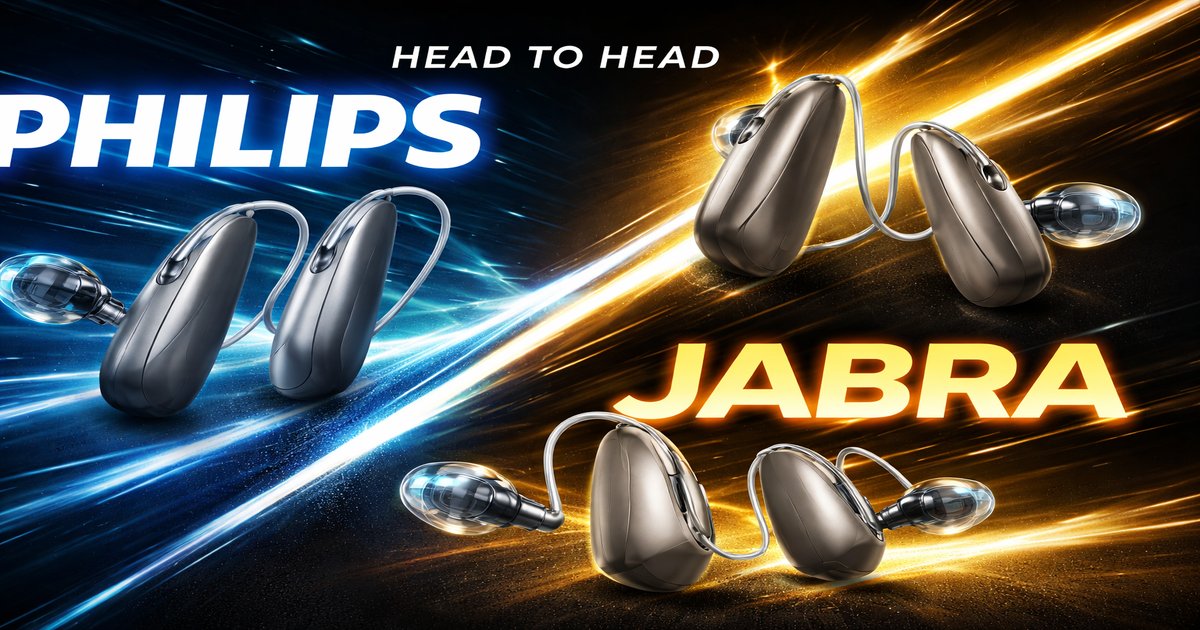
You’ve been at the family dinner and missed half the conversation because you couldn’t hear your cousin over the clinking of glasses. Or maybe, during a meeting, you nodded along but had no idea what was being discussed. Picking the right hearing aid can change your life, so let’s pit Philips against Jabra to see which one could make your world sound better.
| Specification | Philips Hearing Aids | Jabra Hearing Aids |
|---|---|---|
| Bluetooth Connectivity | ✓ | ✓ |
| Rechargeable Batteries | ✓ | ✓ |
| Battery Life | 24 hours | 30 hours |
| Noise Cancellation | ✓ | ✗ |
| Customizable Sound Profiles | ✓ | ✓ |
| Price Range | High | Medium |
✅ philips hearing aids Pros
- Excellent noise cancellation for crowded environments.
- Sleek design that feels modern and unobtrusive.
- Customizable sound profiles for personalized hearing.
❌ philips hearing aids Cons
- Higher price point might not fit all budgets.
- Shorter battery life compared to Jabra.
- Limited availability in some regions.
✅ jabra Pros
- Affordable pricing with solid performance.
- Exceptional battery life lasting up to 30 hours.
- Easy to use, even for first-time hearing aid users.
❌ jabra Cons
- Lacks advanced noise cancellation features.
- Design is bulkier compared to Philips.
Performance
Philips hearing aids are the gold standard when it comes to noise cancellation. They effortlessly filter out ambient noise, making them ideal for busy environments like airports or bustling offices. Jabra, on the other hand, delivers satisfactory performance for quieter settings but struggles in noisy spaces due to the lack of sophisticated noise-canceling tech. If you spend a lot of time in loud situations, Philips is your go-to.
Build Quality
Philips hearing aids sport a modern, minimalist design that’s discreet and stylish. They sit comfortably and barely noticeable, which is a huge plus if you’re conscious about aesthetics. Jabra, while sturdy and reliable, leans towards a bulkier build, which some might find less appealing. If subtlety matters to you, Philips takes the cake, but if durability is your main concern, Jabra stands its ground well.
Value
Value is where Jabra shines. You get a robust feature set, excellent battery life, and reliable performance without burning a hole in your pocket. Philips offers premium features and a superior listening experience but at a premium price. If you’re budget-conscious yet desire quality, Jabra is a solid pick. However, if you’re willing to invest in top-tier features, Philips will not disappoint.
Many overlook the fact that Philips’ premium features might be overkill if you primarily use your hearing aids in calm environments. Jabra’s bulkier design could be a deal-breaker if discretion is important, but its extended battery life is a lifesaver for those who dislike frequent charging.
Our Final Verdict: Which One Should You Buy?
If you value cutting-edge noise cancellation and aesthetics, and don’t mind paying a premium, Philips hearing aids are the way to go. They’re perfect for tech-savvy users who frequent crowded places. For the budget-conscious who prioritize battery life and durability, Jabra offers excellent value and straightforward usability, ideal for first-time users or those who spend more time in quieter environments.
How do these hearing aids fit?
Both brands offer various sizes and fittings, but Philips tends to be more discreet and comfortable for prolonged wear.
Are these hearing aids compatible with smartphones?
Yes, both Philips and Jabra hearing aids offer Bluetooth connectivity for seamless integration with smartphones.
What is the longevity of these devices?
With proper care, both Philips and Jabra hearing aids can last several years, but battery performance may decline over time.