


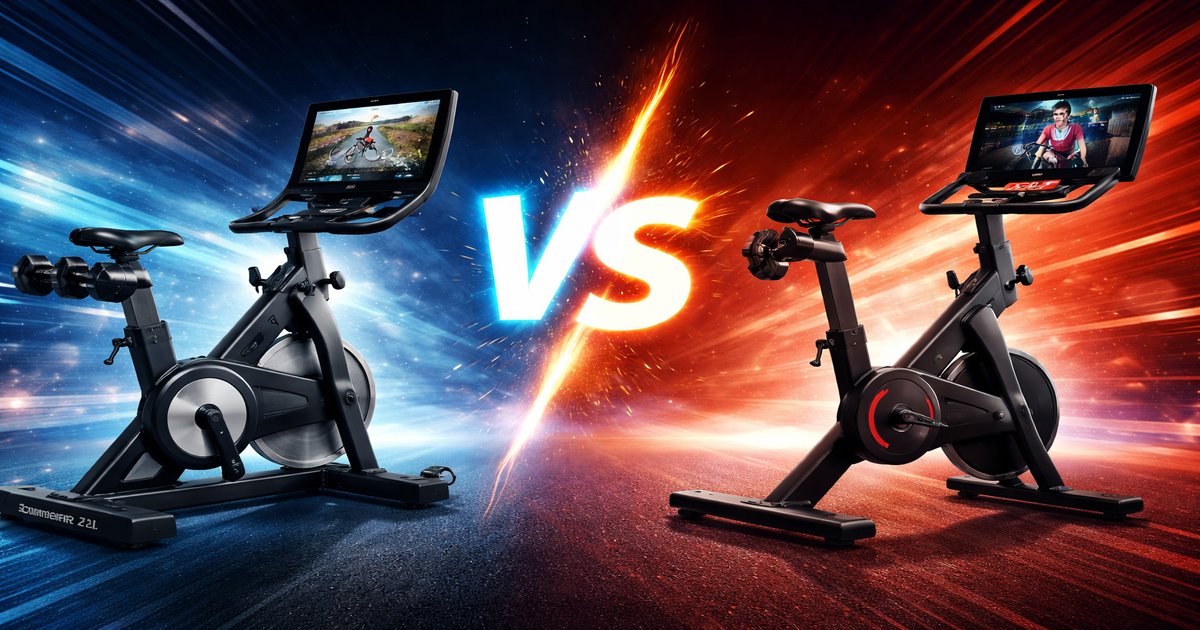
So, you’re stuck between choosing a NordicTrack or a Peloton for your home gym setup. Everyone and their grandma seem to be debating these two juggernauts of the fitness world. Let’s cut through the noise and get to the nitty-gritty of which one might be the better fit for your sweat sessions.
| Feature | NordicTrack | Peloton |
|---|---|---|
| Screen Size | 22 inches | 23.8 inches |
| Subscription Cost | $39/month | $44/month |
| Live Classes | ✓ | ✓ |
| Incline/Decline | +20% to -10% | ✗ |
| Price Range | $1,500 – $2,500 | $1,895 – $2,495 |
| User Profiles | ✓ | ✗ |
| Bluetooth Connectivity | ✓ | ✓ |
✅ nordictrack Pros
- Incline and decline feature adds versatility to workouts.
- Multiple user profiles ideal for household sharing.
- More affordable subscription cost can save you in the long run.
❌ nordictrack Cons
- Interface can be less intuitive compared to Peloton.
- Heavier and bulkier, requiring more space.
✅ peloton Pros
- Sleek design that fits well in smaller spaces.
- Top-notch, engaging instructors that keep you motivated.
- High-quality touch screen with seamless interface.
❌ peloton Cons
- No incline or decline feature, limiting workout variety.
- Subscription cost is slightly higher than competitors.
NordicTrack’s incline feature is fantastic if you’re serious about simulating outdoor terrains, but their software updates can be sporadic and glitchy. Peloton might have you feeling like a part of a community, but beware of their pricey accessories that bump up the initial investment more than you’d expect.
For the tech-savvy fitness enthusiast who loves variety, NordicTrack is your buddy. Its incline options and multiple user profiles make it perfect for a multi-user household. If you’re a solo exerciser, who thrives on community vibes and instructor motivation, Peloton’s engaging classes and sleek design are worth the extra bucks. Choose based on your workout style and space constraints, and you’re golden.