


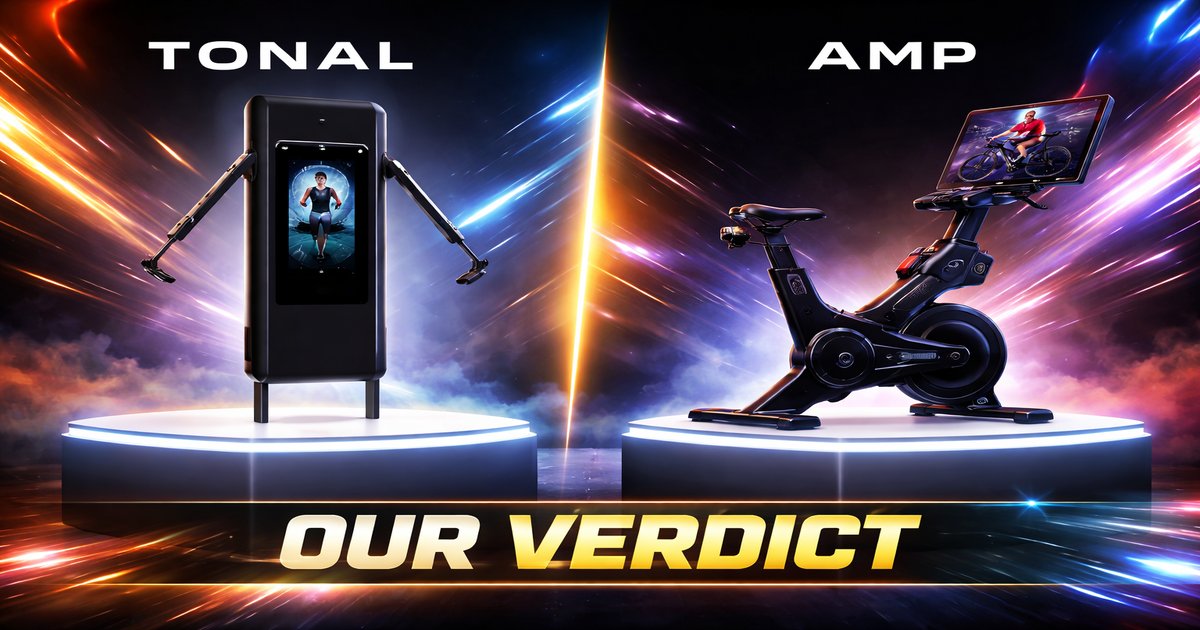
You’ve finally decided to bring some smart tech into your home gym, but choosing between the Tonal and the Amp feels like being stuck between a rock and a hard place. Both promise to revolutionize your workouts, yet their features and pricing are worlds apart. Let’s break it down so you can make an informed decision.
| Feature | Tonal | Amp |
|---|---|---|
| Resistance | 200 lbs | 220 lbs |
| Subscription Cost | $49/month | $39/month |
| Screen Size | 24 inches | 32 inches |
| AI Coaching | ✓ | ✗ |
| Space Requirement | 7′ x 7′ | 8′ x 8′ |
| Installation Included | ✓ | ✗ |
✅ tonal Pros
- Comprehensive AI coaching that adapts workouts in real-time.
- Compact design fits in smaller spaces.
- Installation included in the purchase.
❌ tonal Cons
- Higher subscription cost.
- Limited to upper body exercises without additional equipment.
✅ amp Pros
- More affordable subscription plan.
- Larger screen enhances the workout experience.
- Higher resistance capability for more intense workouts.
❌ amp Cons
- Lacks adaptive AI coaching.
- No installation support included.
Performance: Real-World Usability
Tonal’s AI coaching is its standout feature, making it feel like you have a personal trainer at home. It adjusts the resistance seamlessly during your workout, which is perfect if you’re looking for dynamic training sessions. Amp, on the other hand, compensates for its lack of AI with a more powerful resistance capacity. If your focus is on building sheer strength, the Amp might give you that extra push, thanks to its 220 lbs limit. However, if you’re new to weight training or prefer guided workouts, Tonal’s tech edge can’t be ignored.
Build Quality: Durability and Setup
Both machines are built to last, but Tonal takes the cake with its sleek, compact design that’s ideal for smaller spaces. The installation service included with Tonal is also a big win, as it ensures the system is set up perfectly from the get-go. Amp, while bulkier, comes with a more substantial screen, which can enhance the workout experience but requires more space and a DIY installation. If you’re not the handy type, keep this in mind.
Value: Long-term Investment
Tonal’s higher subscription cost might deter some, but the AI features and included installation offer a bang for your buck in the long run. Amp’s lower monthly fee is attractive, yet the lack of included setup and adaptive coaching might cost you more in terms of efficiency and convenience. For those who want a no-fuss setup and are okay with paying a premium for guided workouts, Tonal is a clear winner. Amp, however, is a strong contender for the budget-conscious who don’t mind a bit of extra effort setting up.
While Tonal’s AI coaching is a game-changer, it can sometimes overestimate your capabilities, making sessions overly intense. Amp’s lack of AI means you’ll need to self-motivate and plan your progress, which can be challenging without a structured guide. Neither is perfect, but knowing these quirks can help you manage expectations.
Our Final Verdict: Which One Should You Buy?
If you’re someone who thrives on structured, guided workouts with minimal setup hassle, and can afford the premium, Tonal is your go-to. For the budget-conscious strength trainer who prefers a larger screen and doesn’t mind DIY setup, Amp offers excellent value without sacrificing too much in terms of power.
Is Tonal suitable for beginners?
Absolutely. Tonal’s AI adapts to your fitness level, making it beginner-friendly while still challenging for advanced users.
Can I use Amp for a full-body workout?
Yes, Amp offers a variety of attachments that allow you to work out different muscle groups, making it suitable for full-body routines.
How often should I expect to service these machines?
Both Tonal and Amp require minimal maintenance. Regular cleaning and occasional software updates should keep them in prime condition.