


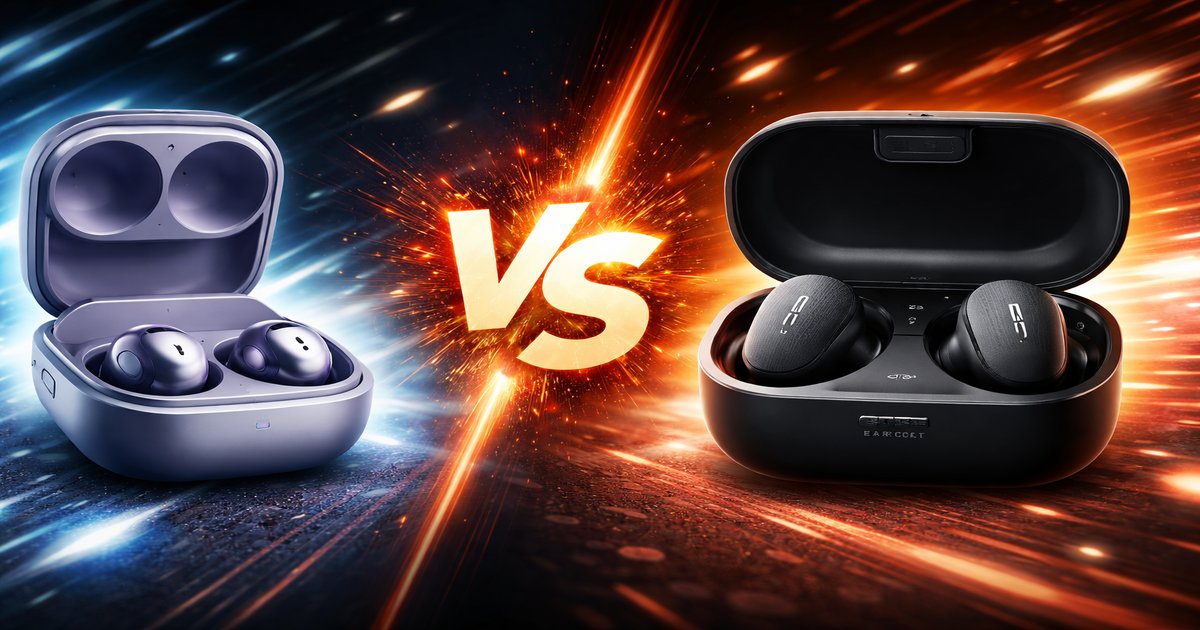
You’re on a quest for the perfect noise-canceling headphones, whether it’s to escape the chaos of a busy commute or to find your focus in a bustling office. You’ve got your eyes on two contenders: the Ultra and the Bose QuietComfort. Let’s dive into how they stack up against each other.
| Feature | Ultra | Bose QuietComfort |
|---|---|---|
| Noise Cancellation | Advanced | Industry-leading |
| Battery Life | 20 hours | 24 hours |
| Weight | 250g | 240g |
| Bluetooth Connectivity | ✓ | ✓ |
| App Compatibility | ✓ | ✓ |
| Price | $300 | $350 |
✅ ultra Pros
- Great value for the price with excellent sound quality.
- Strong noise cancellation that competes well with pricier models.
- Sturdy build quality with a modern design.
❌ ultra Cons
- Heavier than some competitors, which might be noticeable during long sessions.
- Battery life is decent but not top-tier.
✅ bose quietcomfort Pros
- Exceptional noise cancellation that sets the industry standard.
- Comfortable fit, perfect for extended use.
- Longer battery life compared to many competitors.
❌ bose quietcomfort Cons
- Higher price tag might not justify the cost for casual users.
- Design feels a bit dated compared to some sleeker models.
Both headphones claim to have fantastic noise cancellation, but unless you’re in a particularly loud environment, the difference might be negligible to your ears. Also, while the Bose QuietComfort offers a more comfortable fit, the Ultra isn’t far behind unless you’re planning on wearing them for a marathon listening session. Keep in mind that app support is similar, but real-world performance might vary depending on updates and your device’s compatibility.
If you’re someone who demands the best in noise cancellation tech with comfort for all-day wear, and budget isn’t a concern, the Bose QuietComfort is your go-to. However, if you’re looking for a solid performer that offers excellent value, and you’re willing to compromise slightly on weight and battery life, the Ultra is a great choice. Both have their strengths, but your choice should come down to how much you value top-tier noise cancellation versus a balanced performance at a lower price.