


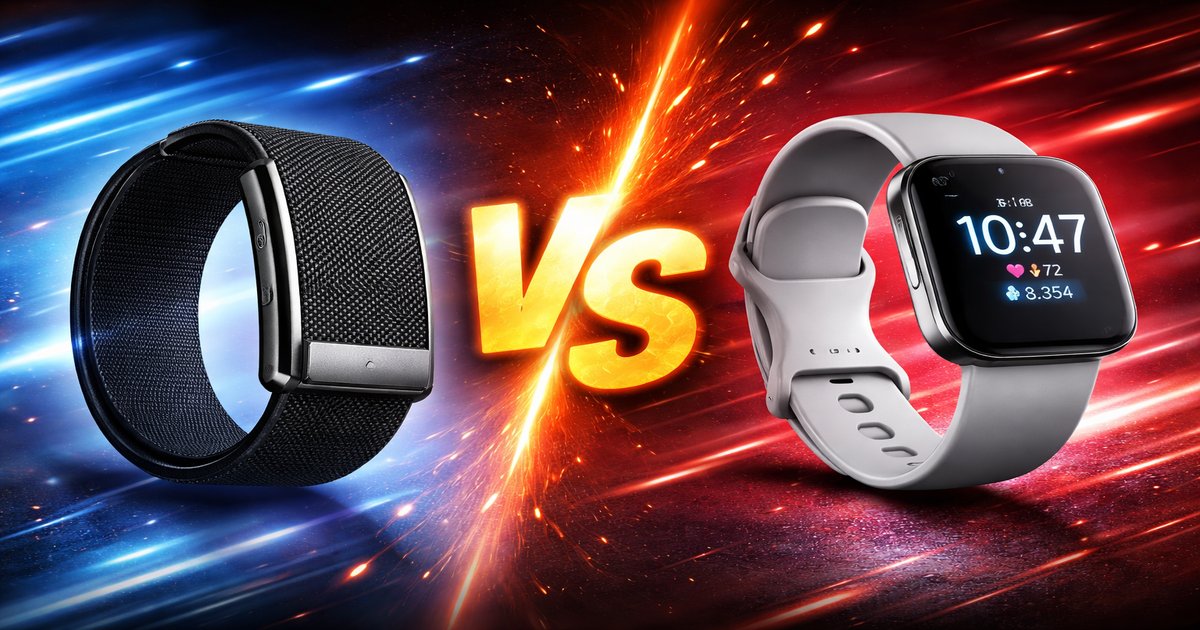
You’re serious about tracking your health, but you’re stuck between two top contenders: Whoop and Fitbit Air. Both promise to enhance your fitness journey with cutting-edge technology, but which one deserves your hard-earned cash? Let’s break it down before you drop the dough.
| Feature | Whoop | Fitbit Air |
|---|---|---|
| Battery Life | 5 Days | 7 Days |
| Sleep Tracking | ✓ | ✓ |
| Heart Rate Monitoring | ✓ | ✓ |
| Subscription Required | ✓ | ✗ |
| Water Resistance | Up to 10m | Up to 50m |
| Price | $30/month | $150 one-time |
✅ whoop Pros
- Comprehensive recovery insights that go beyond basic metrics.
- Continuous heart rate monitoring with high accuracy.
- Minimalist design that’s comfortable for 24/7 wear.
❌ whoop Cons
- Subscription model can get pricey over time.
- Lacks a display, so no on-the-go data glance.
- Water resistance is limited compared to competitors.
✅ fitbit air Pros
- No subscription fee; all features included in the purchase.
- Superior water resistance, perfect for swimmers.
- Longer battery life means less frequent charging.
❌ fitbit air Cons
- Sleep tracking is decent but doesn’t offer deep insights.
- Bulky design might not be comfortable for everyone.
Most reviews won’t tell you how the Whoop’s subscription model can sneak up on your wallet — it’s like a gym membership you keep forgetting about. On the flip side, Fitbit Air’s bulkiness might not bother you at first, but it can start to feel like a wrist weight during long workouts. Both devices have their quirks, but you won’t notice them until you’ve been wearing them for a while.
If you’re a data-driven athlete looking for in-depth recovery insights and don’t mind paying monthly for those extras, Whoop is your match. However, if you’re more budget-conscious and want a solid, feature-rich tracker without ongoing costs and prefer swimming or water sports, Fitbit Air is the smarter choice. Choose based on what you value most: detailed analytics or cost-effective simplicity.